LED Video Walls for Events: Benefits, Uses, and Planning Tips
If you want your audience to actually see and feel the moment, LED video walls for events are one of the most effective upgrades you can make. They deliver bright, seamless visuals that hold up in challenging rooms and in outdoor daylight conditions.
This guide breaks down what makes LED walls look so good, how event teams use them, and what to consider before you rent one.
Why LED video walls are replacing traditional projection
Projection can still be a great tool, but it has limits. Ambient light can wash out the image. Sightlines can be blocked. Setup often depends on throw distance and room conditions. Meanwhile, LED walls are self-emissive, bright, and configurable to the space, which is why they are now a go-to choice for large-scale and outdoor applications.
For many events, the practical win is simple: more people can see the content clearly from more angles, with fewer compromises.
What makes LED walls look so good
A great LED wall experience comes from a few core advantages:
-
Brightness and contrast that stay strong even in high ambient light
-
Seamless visuals across modular panels (no projection hotspotting, no screen wrinkles)
-
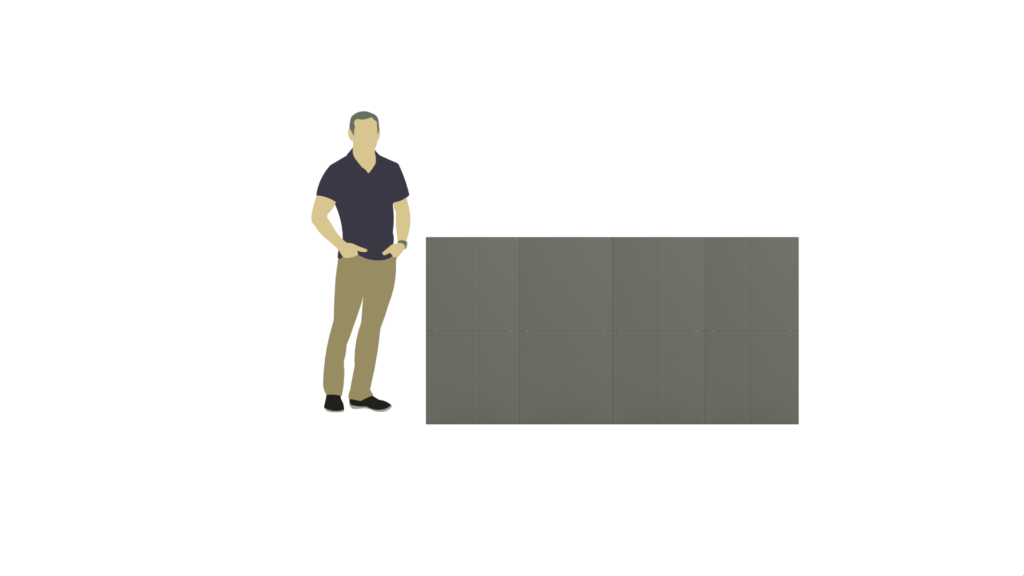
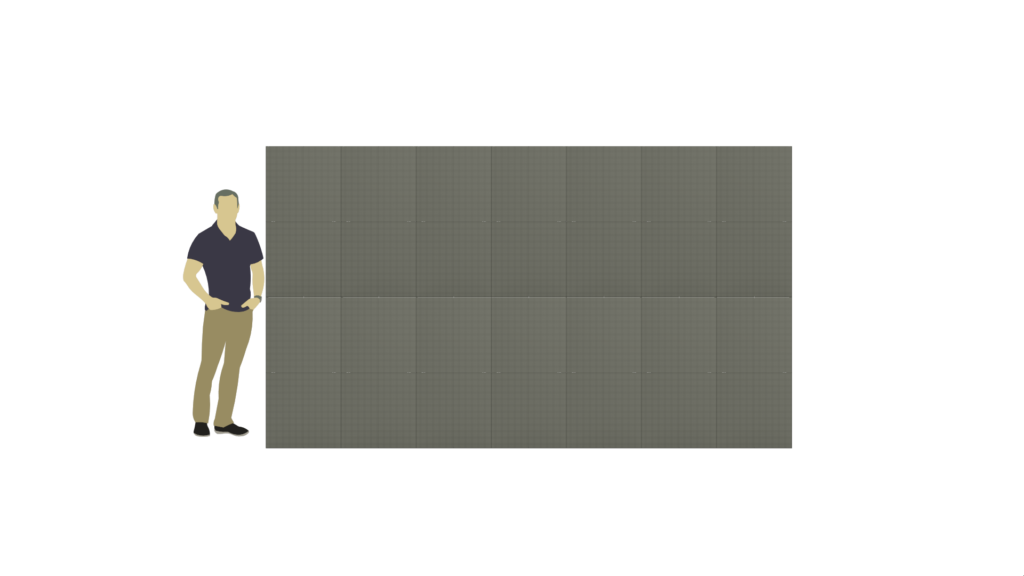
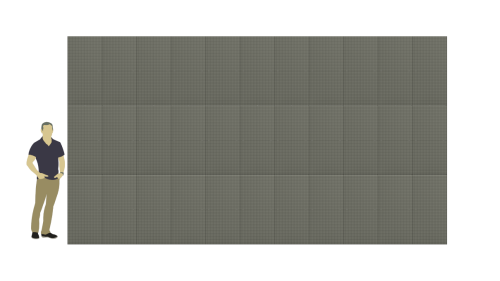
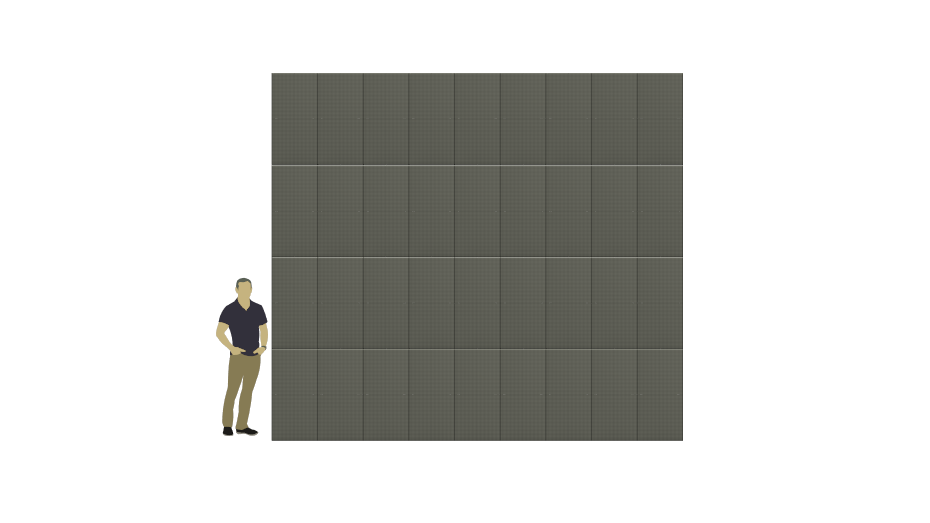
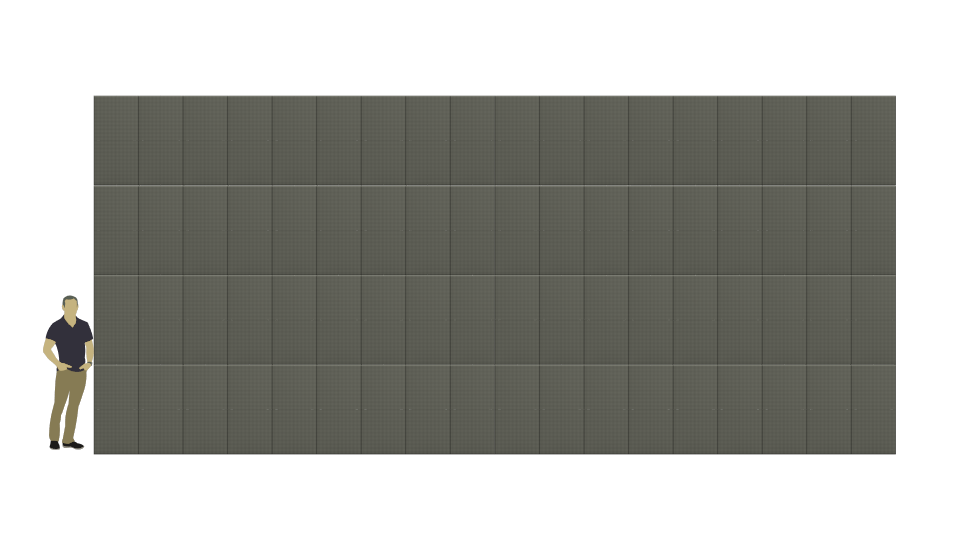
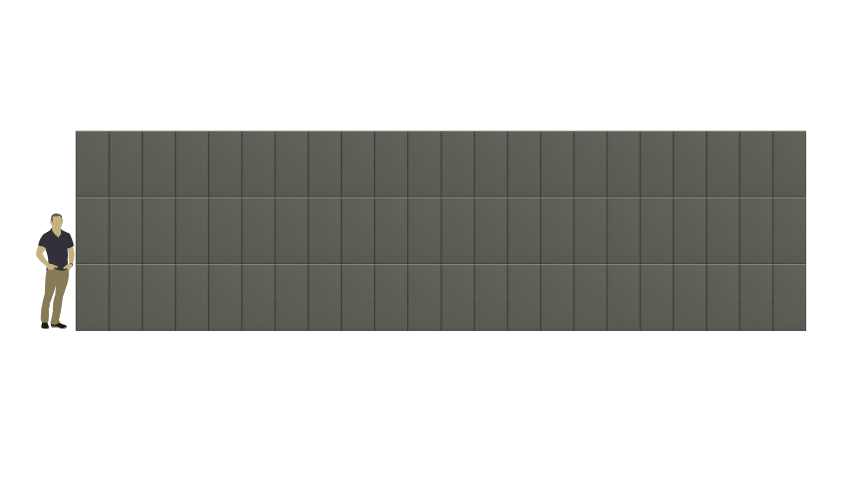
Custom sizing and aspect ratios so the screen fits your stage, not the other way around
-
Wide viewing angles so side seating still feels like a front-row experience
High-impact ways to use an LED video wall at your event
Most events start with one main goal: show content clearly. Then teams realize how many other problems an LED wall can solve.
1) IMAG (live camera) for large audiences
If you have a speaker, performer, or on-stage action, live camera on the LED wall helps everyone feel close to the moment.
2) Branding and sponsorship that looks premium
Rotating sponsor loops, motion graphics, and clean lower-thirds elevate the look without adding physical signage everywhere.
3) Scenic backgrounds that can change instantly
Instead of one static backdrop, you can swap environments between segments, speakers, or sets.
4) Schedules, wayfinding, and real-time updates
For festivals and multi-room events, screens can keep people informed while reducing confusion.
5) Social and audience interaction
You can display live messages, polls, or event highlights to keep energy up and participation high.
Choosing the right size (and why bigger is not always better)
Your ideal screen size depends on venue geometry, viewing distance, content type, and the feel you want. A screen that is too small gets ignored. A screen that is too large can overpower an intimate event.
A simple planning approach:
-
Start with the room or audience footprint
-
Decide whether the wall is primary scenic, content support, or IMAG
-
Confirm where people will stand and sit, including side views
-
Then choose the layout that matches your goal
If you want a quick estimate to sanity-check budgets, your Ballpark Price Calculator is a good starting point.
Pixel pitch: the detail that affects clarity up close
Pixel pitch is the spacing between pixels. In general, a smaller pixel pitch looks sharper at closer viewing distances, while a larger pitch can work well when the screen is far from the audience.
This matters most for:
-
Corporate meetings and conferences (people are often closer)
-
Indoor venues with controlled lighting
-
Content with fine text or detailed graphics
Indoor vs outdoor LED video walls
Indoor and outdoor applications are not the same.
Outdoor LED video walls are built to compete with daylight and weather exposure, which is why brightness and durability become major priorities.
Indoor LED video walls often prioritize closer viewing, crisp detail, and refined aesthetics for corporate, retail, arenas, and meetings.
If you want deeper guides, these internal resources are worth linking in:
-
What is an LED Video Wall? (/what-is-an-led-video-wall/)
-
Outdoor LED Video Walls (/outdoor-led-video-wall-rentals/)
-
Indoor LED Video Walls (/indoor-led-video-walls/)
Content and show control tips (so it looks clean, not chaotic)
Even the best screen can look bad with the wrong content. A few practical best practices:
-
Build slides and graphics in the native aspect ratio of the wall layout
-
Avoid tiny text if the audience is far away
-
Use high-resolution assets and clean contrast
-
Plan transitions and camera cuts so the wall supports the moment, not distracts from it
Also, plan who owns content updates on show day. If the event is fast-moving, assign a dedicated operator.
Logistics checklist: what to confirm before you rent
Before the event, confirm these basics with your LED team:
-
Exact screen width and height
-
Indoor or outdoor location, including weather plan
-
Rigging method (ground-supported, flown, stage-mounted)
-
Power availability and cable runs
-
Load-in access and setup timeline
-
What sources you need: laptops, cameras, playback, presentations
This is where a full-service provider helps, because the details decide whether the day is smooth or stressful.
Quick FAQ
Are LED video walls visible in bright rooms or daylight?
Generally, yes. High-brightness LED is a common reason event teams choose it for large or outdoor settings.
Can an LED wall be built to custom sizes?
Yes. Modular panels are designed to create many sizes and layouts, which is a major advantage over fixed displays.
Where do you provide LED video wall rentals?
Rent LED Video Walls serves Maryland, Washington DC, and Virginia.
Take the next step
If you are early in planning, start with a ballpark to get your layout and budget in the right neighborhood. Then move to a formal quote once your venue and schedule are confirmed.