LED Video Walls for Live Events: A Strategic Audience Engagement Guide
Audience engagement is not just about having great content. It is about making sure people can actually see it, feel it, and stay connected to what is happening on stage.
That is why LED video walls for live events have become one of the most effective tools in modern event production. They create a bright, clear focal point that helps the room follow the story, even in challenging lighting, long rooms, or outdoor settings.
This guide covers the strategic role LED video walls play in engagement, how event teams use them, and the practical planning details that make the experience feel premium instead of chaotic.
What “audience engagement” really means at a live event
Engagement is the combination of three things:
-
Attention: People are looking where you want them to look
-
Understanding: People can follow the message without strain
-
Emotion: People feel the moment, not just observe it
LED video walls support all three when they are used intentionally.
Why LED video walls are an engagement multiplier
LED walls do more than display content. They help control the audience’s experience in real time.
Clear visibility across the room
In many venues, the biggest engagement killer is simple: people cannot see. LED walls solve that by keeping visuals bright and readable in spaces where projection struggles.
A single “visual center” that unifies the crowd
When everyone can see the same moment, reactions sync up. That shared attention drives energy, applause, laughter, and the sense that “we are all here together.”
Faster transitions and tighter pacing
Engagement drops during dead time. LED walls allow instant scene changes, clean walk-on moments, and controlled transitions that keep momentum.
The most effective engagement uses for LED video walls
There are lots of ways to use a screen. These are the ones that consistently move the needle.
1) IMAG (live camera) that makes the room feel closer
IMAG is the fastest way to boost engagement at conferences, concerts, festivals, and ceremonies. Close-ups create connection. Reaction shots create energy. Wide shots provide context.
If the audience is more than a short distance from the stage, IMAG is often the difference between “I watched it” and “I was part of it.”
2) Content that supports the message, not competes with it
The best LED wall content is designed for the room:
-
Large type
-
Clean contrast
-
Simple layouts
-
Fewer words per slide
-
Graphics built to match the wall’s aspect ratio
A wall can look incredible, or it can look like a stretched PowerPoint. The difference is planning.
3) Scenic environments that change with the program
LED walls are also scenery. Instead of one static backdrop, you can:
-
Switch environments between speakers
-
Create branded moments for walk-ons
-
Use motion backgrounds to add depth
-
Match the tone of each segment
This keeps the room visually fresh and reduces “visual fatigue.”
4) Sponsor visibility that feels high-end
Sponsors want attention, but audiences do not want to feel advertised to. LED walls let you integrate sponsor content in a way that feels clean:
-
Branded bumpers between segments
-
Lower-thirds and title slates
-
Sponsored replay moments
-
Sponsor loops during pre-show and breaks
It is measurable value, and it looks professional.
5) Real-time and interactive moments
If your audience is on their phones anyway, you can turn that into participation:
-
Live polls
-
QR-driven engagement
-
Social walls
-
Donation or fundraising progress
-
Live stats and leaderboards
Interactive moments work best when they are scheduled and managed like any other show element, not improvised.
Strategy first: match the wall to the goal
Before choosing a screen size, decide what the wall is doing.
Ask this one question:
Is the LED wall primarily for IMAG, for content, or for scenic impact?
Each answer changes the right layout, resolution needs, camera plan, and budget.
Planning details that protect the experience
This is where events win or lose.
Screen size and viewing distance
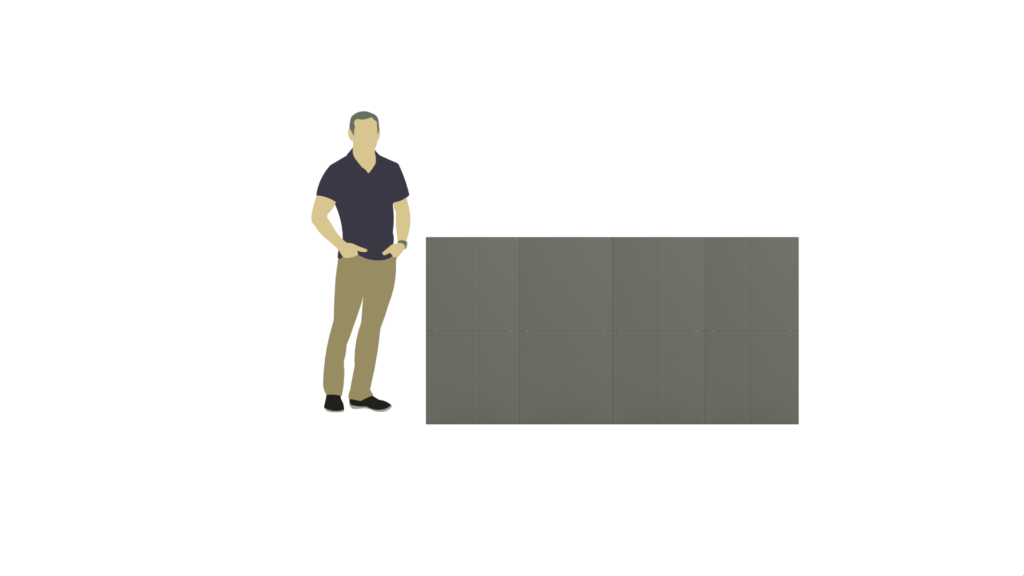
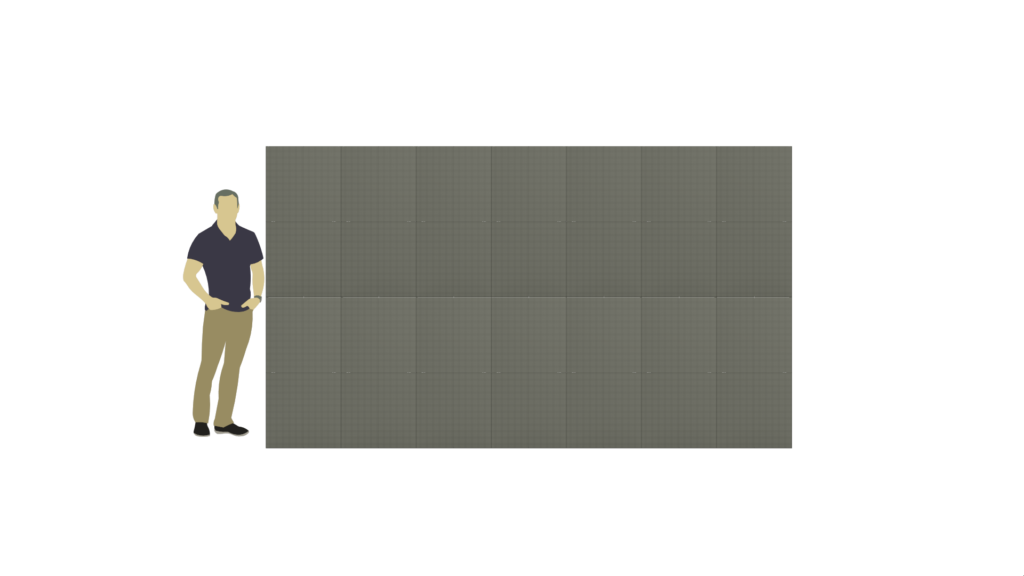
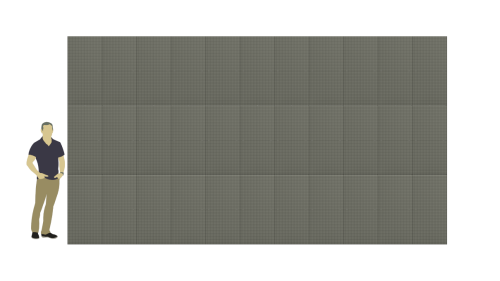
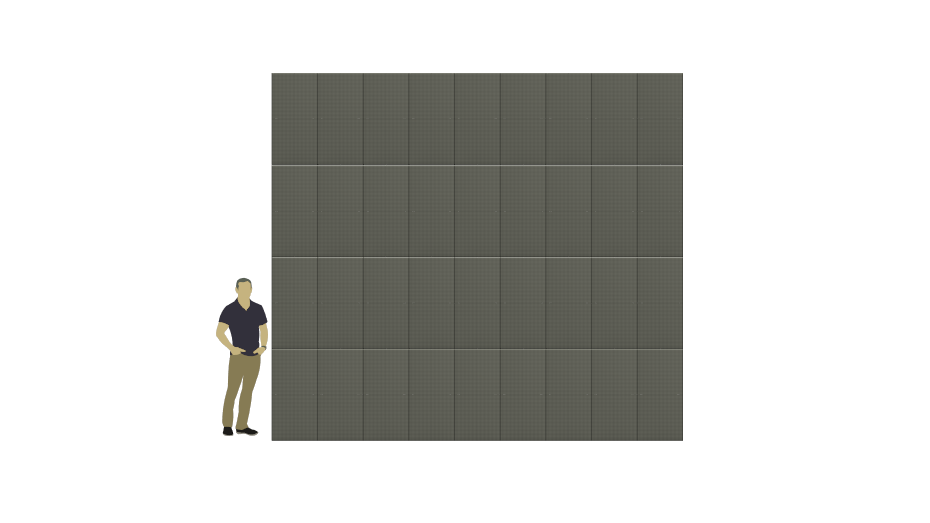
A wall that is too small gets ignored. A wall that is too large can overwhelm the room. The “right” size depends on:
-
Audience depth
-
Sightlines
-
Content type (text-heavy vs video)
-
Whether you need IMAG
Pixel pitch and clarity
Pixel pitch matters most when the audience is close and your content includes text or detailed graphics. If people will be near the screen, prioritize tighter pitch and content designed for readability.
Indoor vs outdoor requirements
Outdoor events are a different game. You need the right brightness and weather considerations, plus a realistic plan for wind, power, and protection.
Rigging and support plan
How the wall is supported changes everything:
-
Ground support
-
Stage support
-
Flown and rigged
-
Trailer-based screen
Each option impacts load-in time, crew requirements, engineering, and safety.
Power and redundancy
A professional LED wall plan accounts for:
-
Clean power distribution
-
Proper cable runs
-
Spare data paths when possible
-
Backup playback options for critical moments
Redundancy is not about being fancy. It is about protecting the show.
Content workflow that keeps the show tight
Even if your screen is perfect, engagement drops if content operations are messy.
A clean show workflow usually includes:
-
A single person responsible for content updates
-
A final content deadline before show day
-
Files exported in the correct resolution and format
-
A run-of-show that calls out every screen moment
-
A plan for last-minute changes that does not derail the crew
If you are doing IMAG and playback, confirm the switching plan early. That keeps cameras, media, and graphics aligned.
Common mistakes that hurt engagement
If you avoid these, you are already ahead.
-
Using content that is not built for the wall’s aspect ratio
-
Too much text per slide
-
Tiny fonts that only the front row can read
-
No camera plan for IMAG
-
Treating the wall like an afterthought instead of a core show element
-
No clear ownership for content updates
Quick FAQ
Do LED video walls work in daylight?
Yes, when you use an outdoor-capable wall and plan for brightness and placement.
Can LED video walls be custom sized?
Yes. Modular panels allow flexible sizes and aspect ratios, which is one of the biggest advantages.
What events benefit most from LED video walls?
Conferences, concerts, festivals, sporting events, graduations, galas, and any event where sightlines and visibility matter.
Do I need a technician onsite the whole time?
Not always, but it depends on the complexity of content, the risk tolerance of the event, and how dynamic the show is.
Next step: start with a smart plan, then price it accurately
If you want LED video walls for live events to truly boost engagement, start with strategy:
-
What is the wall’s job?
-
Where is the audience?
-
What content will be shown?
-
Indoor or outdoor?
-
How will it be supported and powered?
Then you can confidently choose the right size and scope.
If you want help choosing the right LED wall approach for your event, start with the ballpark calculator, then reach out with your venue, date, times and goals. We will help you land on the right screen size, support method, and content plan.